The role of a digital product agency in start-up success
A digital product agency gives a start-up the skills it would otherwise have to hire for: product strategy, UX/UI design, engineering, marketing and ongoing support. It helps the start-up validate an idea before building it, launch a minimum viable product (MVP) and improve it from user feedback, then market, maintain and scale the product after launch. Working this way can lower a start-up’s risk, get its product to market sooner and avoid the cost of building a full in-house team.
Introduction
Launching a successful digital product takes more than a good idea. A start-up has to handle product design, development, market strategy and user engagement, often without the in-house expertise, people or time to do all of it well.
&above is a London digital product agency. Its clients range from start-ups such as Your Avatar to scale-ups and enterprises such as Upstix, Revolut, Google and Tesco. It takes products from idea to production, with product strategy, design and engineering in one small senior team, and helps clients launch and then scale them in market. Digital product agencies design, build and improve products such as mobile apps, web platforms and SaaS products.
Working with a digital product agency can help a start-up reduce risk, reach the market sooner and build a product its users want. This article covers what these agencies do at each stage, from validating the idea to supporting the product after launch.
1. Transforming an idea into a viable product
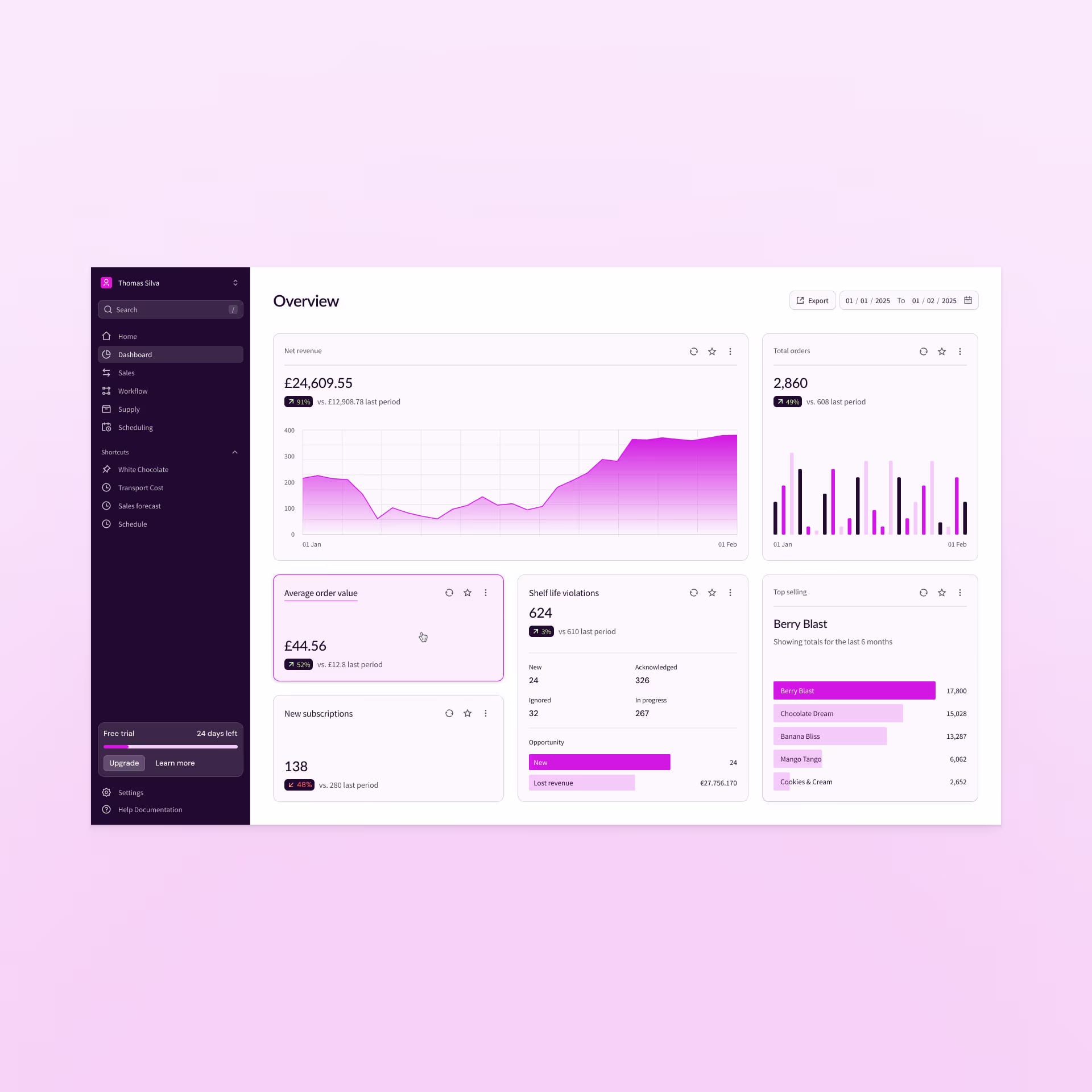
Every digital product starts with an idea, but not every idea is viable. A start-up that launches without understanding its audience, the demand for its product or the likely pitfalls can spend time and money on something the market does not want. Validating the idea, planning the product and executing well all improve its chances.
At this early stage, a digital product agency helps a start-up refine its idea, check it against what the market needs and plan the build as a roadmap. Without that work, a start-up risks building features users don’t need, or a product that is hard to tell apart from its competitors.
How an agency validates the idea
- Market research & validation: before investing in development, agencies carry out competitor analysis, industry research and user behaviour studies. This tests whether the product solves a real problem and whether there is demand for it.
- Product strategy & roadmap: choosing which features to build first is hard for a new team. Agencies help prioritise the core features, which keeps the scope under control and the build lean.
- Prototyping & wireframing: a prototype is a visual plan for the final product. Agencies create interactive wireframes and mockups to test usability before full-scale development starts.
Validating an idea early helps a start-up avoid spending time and money on a product the market may not want.
2. UX/UI design for an engaging user experience
First impressions matter, and users often judge a digital product quickly. Whether they find it intuitive, visually appealing and easy to navigate can decide whether they keep using it. A confusing interface or a dull design can hold back even a strong idea.
UX/UI design covers more than how a product looks. It decides whether users understand how to use the product without help, and whether they stay engaged while they do. A digital product agency helps a start-up design an experience that meets its users’ expectations. Users who enjoy a product are more likely to come back to it and recommend it.
What UX/UI design work covers
- User-centric design: agencies run usability testing, customer interviews and persona development to check that the product meets the expectations of its target audience.
- Clear navigation & intuitive interfaces: a confusing interface can drive users away. Agencies design navigation that flows naturally and actions that are clear and easy to complete.
- Brand consistency & visual identity: a well-designed product should reflect the start-up’s branding in terms of colour schemes, typography, and visual language, reinforcing brand recognition.
- Accessibility & inclusivity: good design considers all users, including people with visual, motor or cognitive impairments. Agencies build in features such as screen reader support, sufficient colour contrast and keyboard navigation.
Good UX/UI design gives users a product that is accessible and easy to use, which can help keep them satisfied and coming back.
3. Agile development for faster, scalable products
Choosing a technology stack and a way of working is hard for a start-up with limited technical expertise and a tight budget. The product has to be efficient, scalable and affordable to build. A poor early decision can lead to security risks, performance problems or difficulty scaling later.
A digital product agency reduces these risks by bringing technical expertise, established practices and agile methods to the build. That helps a start-up build a product that works reliably and can adapt as the market changes.
What an agile build covers
- Full-stack development: agencies handle both front-end (user interface) and back-end (server, database, APIs) development, so one team builds the whole product.
- Agile methodology: instead of building everything at once, agencies use an iterative development approach, where features are built, tested, and improved in short cycles. This makes it quicker to adjust the product based on feedback.
- Security & data protection: agencies can build products to meet data protection rules such as GDPR and CCPA and follow security good practice, which protects user data and lowers the risk of a breach.
- Scalability & performance optimisation: agencies build products to handle a growing number of users, so the experience stays smooth as demand increases.
Agile development can help a start-up launch sooner, stay flexible and keep improving its product.
4. Speed to market & MVP development
Speed matters for a start-up. One that spends too long perfecting its product before launch can let competitors reach the market first. One that launches too quickly and skips testing can struggle to win and keep users.
A digital product agency helps balance the two by building an MVP: a first version with the core functionality, which the team then improves in quick iterations. The start-up can launch, test and refine its product without building everything first.
How an agency builds the MVP
- MVP (Minimum Viable Product) development: instead of building a feature-rich product from the start, agencies focus on developing the core functionalities needed to test market demand.
- Rapid prototyping & launch strategy: an MVP allows start-ups to launch, gather user feedback, and refine the product before committing to larger investments.
- Iterative improvements: based on real user feedback, the agency refines and expands the product, so that each iteration responds to what users need.
This lean approach lowers risk and helps a start-up avoid spending money on features users don’t need.
5. Digital marketing that helps start-ups gain traction
A well-designed, working product is only the start. The next challenge is attracting users, keeping them and reaching more of them. In a crowded market, a product that people cannot find grows slowly.
A digital product agency can help by basing marketing on data and on the product’s value proposition. The work can cover brand awareness and conversion optimisation, with the aim of helping the right audience find and use the product.
What marketing support covers
- SEO & ASO (App Store Optimisation): optimising product pages, content, and metadata to improve rankings on search engines and app stores.
- Conversion rate optimisation (CRO): improving landing pages, sign-up flows and calls to action so that more visitors engage and sign up.
- Data-driven growth strategies: using A/B testing, analytics and user segmentation to refine marketing.
Planning marketing alongside product development helps a start-up gain traction after launch.
6. Continuous support, maintenance & scaling
Launch is not the end of the work. User expectations, technology and security threats keep changing, and a product has to change with them. A product that nobody monitors or improves can fall behind and lose users.
A digital product agency can provide ongoing support and maintenance to keep the product working, relevant and competitive. By fixing bugs, improving performance and adding features, it helps a start-up keep growing without technical problems holding it back.
What ongoing support includes
- Bug fixes & technical support: keeping the product running smoothly by fixing technical issues before they affect users.
- Feature upgrades & performance enhancements: adding new functionalities based on user feedback and emerging market trends.
- Security & compliance updates: regular security audits and compliance updates to protect user data.
Ongoing maintenance and improvement help a start-up keep pace with its competitors.
7. Cost efficiency & risk reduction
Building an in-house team for product development, design and marketing takes time and money. Many start-ups cannot hire a full-time specialist for every discipline they need, which can slow progress or lead to costly mistakes.
A digital product agency offers an alternative: a full team of specialists without long-term hiring commitments. The start-up gets specialist skills, tools and industry knowledge while keeping its fixed costs down.
How an agency lowers cost and risk
- Flexible pricing models: agencies may offer fixed-price projects, retainers or pay-as-you-go pricing, which makes budgeting easier.
- Avoiding costly mistakes: experienced guidance helps a start-up spend its budget well and avoid expensive development errors.
- Focus on core business: by outsourcing product development, start-ups can focus on growth, fundraising, and strategy.
Using an agency can help a start-up grow without taking on unnecessary overheads.
Conclusion
A digital product agency can support a start-up at each stage this article covers: validating the idea, designing and building the product, launching an MVP, marketing it, and maintaining and scaling it after launch.
For a start-up that wants to reduce risk, reach the market sooner and build a product that can scale, working with a digital product agency can be a competitive advantage.
Q&A: why work with &above for your start-up’s digital success?
Q: What makes &above different from other digital product agencies?
&above combines product strategy, design and engineering in small, senior squads that work as part of the client’s team and ship working software from the first sprint. It designs products to be AI-native from the start, with AI in the core experience rather than added later.
Q: How does &above help with start-up funding?
&above has helped a client prepare for a funding round through brand and product work. For Oxford Quantum Circuits, it built a new brand, website and investor story ahead of the company’s $100M Series B.
Q: What industries does &above specialise in?
&above’s published work covers fintech with Revolut, property with Upstix, retail media with Tesco, business software with Sage, streaming with Simplestream and quantum computing with Oxford Quantum Circuits. It has also built for start-ups, such as Your Avatar, an AI companion platform for care homes.
Final thoughts
For a start-up that wants to turn an idea into a product, &above brings product strategy, UX/UI design, engineering and brand together in one team, and helps clients launch a product and then scale it in market.
Thinking about launching a digital product? Talk to &above.